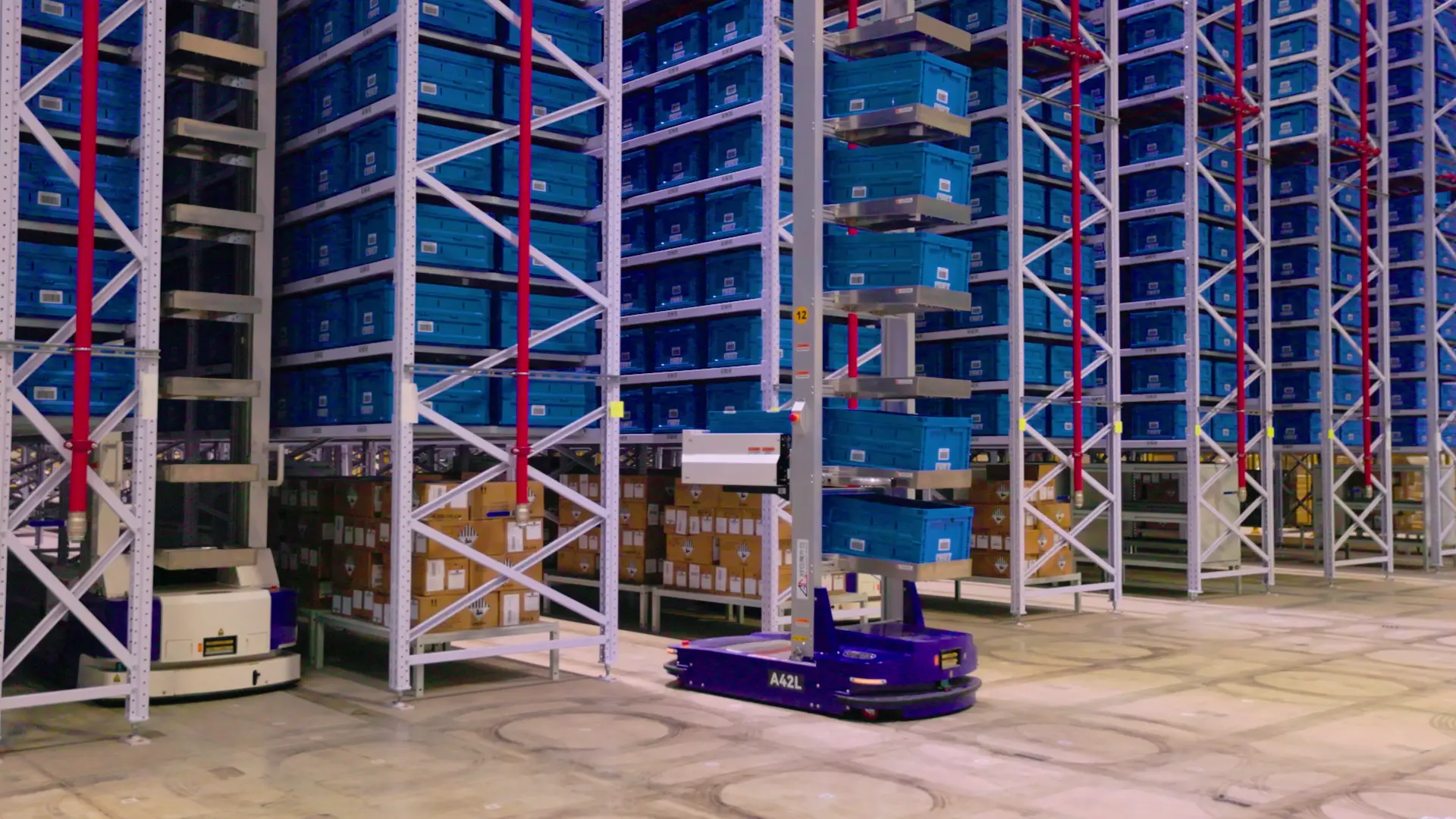
Strong warehouse management is essential to keeping any e-commerce or fulfillment business running smoothly. Whether you're operating a single small facility or managing several locations, optimizing how your warehouse functions can lower costs, strengthen customer satisfaction, and boost overall efficiency. Here are the top strategies for streamlining warehouse management and maximizing performance.
Standardize Your Processes
One of the most overlooked levers for warehouse efficiency is process standardization. Creating standard operating procedures (SOPs) for tasks like receiving inventory, order picking, and shipping ensures everyone follows a consistent, repeatable approach. Standardization reduces errors, saves time, and makes onboarding new employees far faster.
Document your SOPs clearly and make them accessible to every employee. Regularly audit these procedures based on staff feedback to catch bottlenecks, drive improvements, and build a genuinely collaborative environment.
Leverage Warehouse Management Systems (WMS)
A Warehouse Management System stands out as one of the most valuable tools for streamlining operations. A WMS delivers real-time inventory data, supports order fulfillment, and optimizes storage placement. It can also integrate directly with your e-commerce platform to sync orders and track inventory across multiple locations, reducing the risk of overstocking or stockouts.
Use your WMS to prioritize inventory based on demand, enabling faster picking for your best-selling items. Consider investing in a cloud-based WMS so your team can access real-time updates from anywhere.
Adopt Efficient Inventory Management Techniques
Effective inventory management lowers carrying costs, improves order accuracy, and strengthens customer satisfaction. Inventory should be organized in a way that supports fast, accurate picking. Techniques like FIFO (First In, First Out) or LIFO (Last In, First Out) help keep inventory fresh and minimize waste. Just-in-Time (JIT) inventory management, where stock gets replenished based on real-time demand, can also help minimize overstock and reduce storage costs.
Consider ABC analysis, classifying inventory into three tiers, A (high-value, low sales frequency), B (moderate value and frequency), and C (low-value, high frequency), and prioritizing management accordingly. Regular cycle counts also help maintain inventory accuracy without requiring a full operational shutdown.
Optimize Your Picking and Packing Methods
Picking and packing are labor-intensive tasks that, once streamlined, can significantly boost overall warehouse efficiency. Depending on your order volume and layout, consider methods like batch picking (gathering items for multiple orders at once), zone picking (assigning workers to specific warehouse areas), or wave picking (scheduling groups of orders based on shipping times, priority, or carrier deadlines).
Automated picking technologies, such as pick-to-light or voice-picking systems, can reduce errors and improve speed. Kitting, pre-packing items frequently sold together as bundles, can also cut packing time considerably for high-volume products.
Invest in Employee Training and Engagement
Efficient warehouses depend heavily on well-trained staff. Regular training keeps employees current on the latest technologies and operational protocols. An engaged workforce also tends to be a more productive one, so cultivating a positive work environment with real growth opportunities can meaningfully boost efficiency.
Cross-training programs help employees stay versatile and shift between roles as needed. Incentive programs that reward employees for hitting productivity targets or reducing errors can further strengthen performance.
Optimize Inventory Placement Through Slotting
Strategic inventory placement, often called slotting optimization, plays a major role in warehouse efficiency. Products should be positioned based on picking frequency, size, and handling requirements, placing high-demand items in the most accessible spots while slower-moving products sit farther away.
Re-slot inventory periodically as demand shifts, particularly during seasonal changes. Use data analytics from your WMS to identify slotting arrangements that minimize picker travel time.
Strengthen Shipping and Receiving Efficiency
Shipping and receiving directly influence both customer satisfaction and overall productivity. Standardizing the receiving process ensures inventory gets logged quickly, avoiding delays in stocking or fulfilling orders. A clear, efficient process for preparing, labeling, and shipping orders similarly supports on-time delivery while minimizing errors.
Consider a cross-docking strategy, where products move directly from inbound trucks to outbound trucks, reducing storage needs and speeding up fulfillment. Optimizing dock scheduling also helps allocate time slots for receiving and shipping, keeping trucks properly spaced with no overlap or downtime between shipments.
Track KPIs and Performance Metrics
Continuous improvement in warehouse management depends on closely monitoring key performance indicators. Important metrics include order accuracy rate (how precisely orders are picked, packed, and shipped), order cycle time (the time from receiving an order to shipping it), and dock-to-stock cycle time (how quickly items move from receiving into inventory).
Use dashboards and real-time tracking to give warehouse managers instant visibility into these metrics. Conducting monthly or quarterly performance audits helps you dig deeper into your data, set new operational goals, and adjust processes based on findings and manager feedback.
Embrace Automation and Robotics
Automation and robotics are reshaping warehouse operations, allowing businesses to manage more inventory with fewer errors and lower labor costs. Automated Mobile Robots (AMRs) can assist with picking, sorting, and transporting goods, while conveyor systems and automated storage and retrieval systems (AS/RS) improve both the speed and accuracy of fulfillment.
Start by automating repetitive tasks, like sorting or moving products, that are especially prone to human error. Scale automation as your operation grows, investing in robotic systems that align with your evolving business needs.
Strengthen Communication Across Teams
Clear communication between warehouse staff, management, and external partners, including suppliers and carriers, is essential to smooth operations. Keeping everyone aligned reduces miscommunication, improves order accuracy, and supports better problem-solving when issues arise.
Communication tools, like warehouse management software or messaging platforms, allow instant updates across teams. Regular team meetings, especially during peak season or flash sales, help address issues, process changes, or upcoming challenges before they escalate.
Applying these strategies can meaningfully improve operational efficiency for warehouses of any size, reducing errors and strengthening the service customers receive. Whether you're refining your layout or introducing new technology, each step can have a real impact on productivity and profitability.
Global Commerce Fulfillment helps businesses streamline their warehouse operations through advanced technology, flexible fulfillment solutions, and expert guidance for scaling efficiently. Ready to optimize your warehouse management? Let us help transform your operations for greater efficiency and growth.